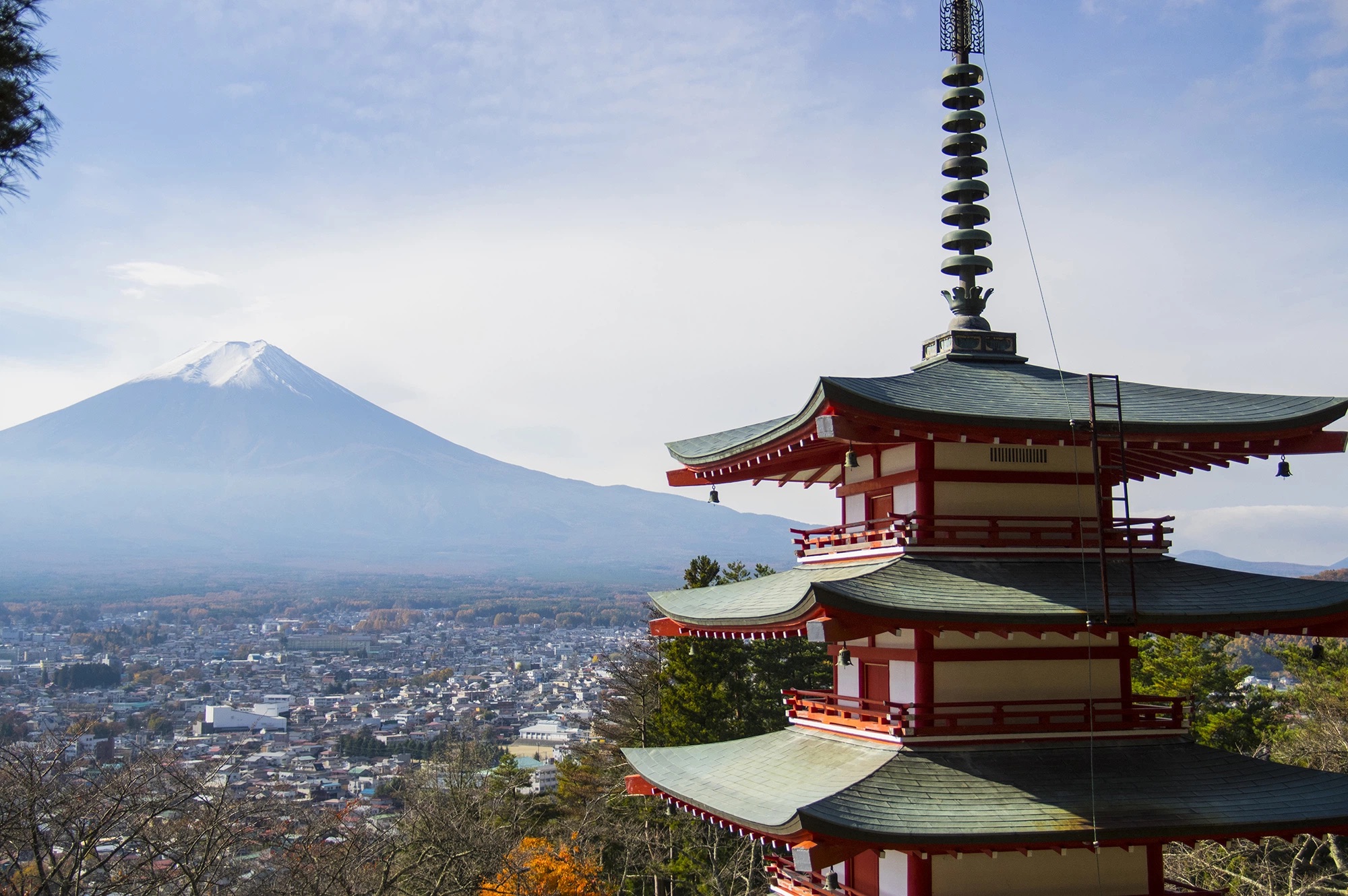
Ever since I moved to the UK, I’ve missed Japan a lot—especially the food. I crave Japanese dishes, particularly sushi, which just isn’t the same here. But despite that, there are several things I’m genuinely happy about since leaving Japan. I never planned to move abroad, but marriage brought me here. Today, I’d like to share some of the reasons why I feel okay—actually, grateful—about leaving Japan.
1. Finances
Japan’s economy was already in decline by the time I was born, and interest rates have been extremely low for decades. I remember saving money for an entire year at university and receiving only 1 yen (£0.005) in interest—and being genuinely shocked at how little it was.
Then I learned about the Cash ISA in the UK. You can earn around 4.5% interest tax-free. Since I’m good at saving, this system is perfect for me. My first interest payment was only £15, but I was honestly thrilled. I thought, “Yaaay, three coffees for free!”

Japan is also facing a serious demographic crisis. There are too many elderly people and not enough children, which means my generation may receive less pension than what we contribute. The whole system was built on the assumption that the population would keep growing—an overly optimistic idea. I honestly feel frustrated with the politicians who made those decisions.
My first salary after graduating university was about 250,000 yen (£1,400). This was about ten years ago (2016) and was considered a normal starting salary at the time. In Japan, the cost of living used to be low compared to other developed countries, so that salary allowed for a reasonably comfortable life. Unfortunately, living costs have risen sharply in recent years, while salaries have remained almost the same.
How About the UK?
The cost of living in the UK is very high. Even in the past year, I’ve seen prices rise for almost everything in supermarkets—butter, milk, meat, vegetables—and yet salaries haven’t increased. I need to be careful with money, so I usually buy things from second-hand markets such as charity shops, Vinted, or eBay.
I’ve never been employed full-time in the UK, but I do teach Japanese privately. My lessons are about £25 per hour, which is a normal tutoring fee here—around 5,000 yen. Even without considering the weak yen, this is still a high hourly rate in Japan. Based on hourly pay alone, I earn as much as a government worker in Japan, which is higher than the national average salary.
Housing costs in the UK are unbelievably expensive, but since my husband and I already own our home and most of it is paid off, we don’t have to worry about rent or mortgage payments. So, when I compare Japan and the UK in terms of cost of living, salaries, and bank interest rates, the UK comes out ahead for me.
No Future in Japan?
The rising cost of living is causing more people to avoid having children. But this only accelerates the declining birthrate and aging population, which further weakens the economy.
In my view, the most important step is ensuring that people already living in Japan can enjoy a secure and comfortable life. If that becomes possible, those who want to have children will feel confident doing so, and Japan will not need to rely as heavily on foreign labor. I also believe issues such as overtourism could be alleviated if the domestic economy became stronger, because Japan wouldn’t have to depend so much on tourism revenue.
For many years, Japan’s prime ministers have made decisions that harmed the country’s long-term prospects. But with the current prime minister—and first female leader—Sanae Takaichi, I feel hopeful that Japan may move toward a better future. Still, I think it will take at least a decade before we see meaningful results.
2. No More Creepy Stares from Men In Japan
I’ve talked about this in a previous post: in Japan, women often get stared at by men—especially if they’re attractive, wearing tight clothes, or showing skin. It’s uncomfortable and exhausting. That’s why many women in Japan cover up with long clothing, even in the middle of summer.
For example, there’s a global trend now where some women don’t wear bras. Try that in Japan, and middle-aged men will shamelessly stare at your chest. But in the UK? I honestly don’t worry much about what I wear. Even if my bra strap shows by accident, no one gives me weird looks. This feels normal. This feels respectful.
Chikan—public sexual harassment—is sadly a well-known social problem in Japan. It includes not only touching but also voyeurism, and the number of cases is far higher than in the UK. It’s a huge relief not to worry about this as much here. I made a post before about living as a woman in Japan (→link). Unfortunately, life is much tougher and more unfair for women than for men in Japan. In the UK, I feel the gender balance is much fairer.
3. Work Culture
Days Off
Getting paid leave is so much easier in the UK. Yes, in Japan it’s technically a right, but in reality, there’s pressure not to take it—especially during busy periods. If you ask for leave at the wrong time, your boss might give you that look, and you feel guilty.
According to Japan’s Ministry of Health, Labour and Welfare, the average paid vacation usage rate in 2023 was 65.3%, and the average number of days taken was 11. In contrast, workers in the UK enjoyed up to 34 paid holiday days in 2023. That’s a huge difference.
Parental Leave
When I gave birth to my daughter in the UK, my husband was able to take four months of paid paternity leave. I’m self-employed, so I didn’t get the same benefits, but I still received Maternity Allowance—around £6,000. In Japan, more companies are starting to offer parental leave, but only about 40% of men take it—and many of them don’t get paid during that time. The same goes for women. Unless they work at a good company, most women don’t get paid maternity leave either.
Overtime
I used to work at one of the biggest shipyards in Japan. Overtime was very common, and at one point I did 60 hours of overtime in a single month. I even felt proud because it made me feel needed. I was a young, inexperienced employee who didn’t yet understand “work-life balance.”
This has been a major problem in Japan. In the worst cases, even if you work overtime, you don’t get paid. There have even been tragic cases where people died from overwork and still weren’t paid for the extra hours. These things don’t seem to happen in the UK (at least from what I know). The company my husband works for treats him incredibly well. This kind of work culture is something Japan desperately needs.
4. The Summer in Japan is Actually Bearable

Summer in Japan is like hell. Every year it gets worse, and people literally die from heatstroke. In 2022, over 1,400 people died. (→here) Japan’s summer isn’t just hot—it’s brutal. Humidity can reach 70–90%, making you feel like you’re trapped in a steam bath. You sweat, but it doesn’t evaporate. Your clothes stick to your skin all day. In cities like Tokyo and Osaka, temperatures often rise above 35°C and don’t drop at night. These “tropical nights” (when it stays above 25°C) make it nearly impossible to sleep without air conditioning.
The urban heat-island effect makes it even worse. Concrete absorbs heat during the day and releases it at night, turning cities into 24-hour ovens. The hot air from air conditioners adds even more heat outside, and ventilation is poor.
Air Conditioners — Literal Life Savers
If your air conditioner breaks in summer, it can literally be life-threatening. Some elderly people turn their air conditioners off to save money and end up dying from heatstroke. The scary thing is you often don’t notice you’re developing heatstroke. Early symptoms—like dizziness and lightheadedness—are easy to mistake for simple fatigue, or your senses might be dulled from lack of sleep. So please never turn off your AC during summer. It’s best to check that it works before the season starts so you can fix it in time.
So Many Insects in Japan
And don’t get me started on insects. Mosquitoes, cockroaches, cicadas, centipedes… they all love Japanese summer. Opening a window at night? I wouldn’t recommend it. Luckily, Japanese homes usually have insect screens, so at least you can keep them out.

5. No More Earthquakes
This one is simple: I don’t have to worry about earthquakes in the UK. In Japan, we experience a major earthquake roughly every 10 years. Thankfully, I’ve never gone through a huge one, but even small ones (magnitude 2–3) are frequent—and would be considered strong in many other countries. Earthquakes are terrifying.
The Great East Japan Earthquake
I remember seeing the news on TV when I came home from school. I lived far from the affected areas, so I was safe, but the scenes on TV were devastating. The number of casualties increased day by day. Many companies refrained from airing their commercials, so ads from the Advertising Council Japan—a non-profit organization that creates and runs public service announcements for various social issues and causes—filled most TV slots for about 1–2 months. Hearing that same music repeatedly still reminds people of the tragedy and has been traumatic for some.
I’m relieved that I don’t have to worry about earthquakes anymore—and more importantly, my child doesn’t either.

Conclusion
So, there you have it—some of the reasons I’m genuinely happy about moving to the UK from Japan. Of course, there are pros and cons. I still miss Japan, especially the food and the culture. But writing this post helps me stay positive and appreciate the good things about my new life.
I made a post about what I miss about Japan. Please check it out!→here