In a previous article, I wrote about konjac as a food that can be risky if prepared incorrectly.
This time, however, I want to introduce something on a completely different level—a fish so dangerous that a single mistake can cost a life.
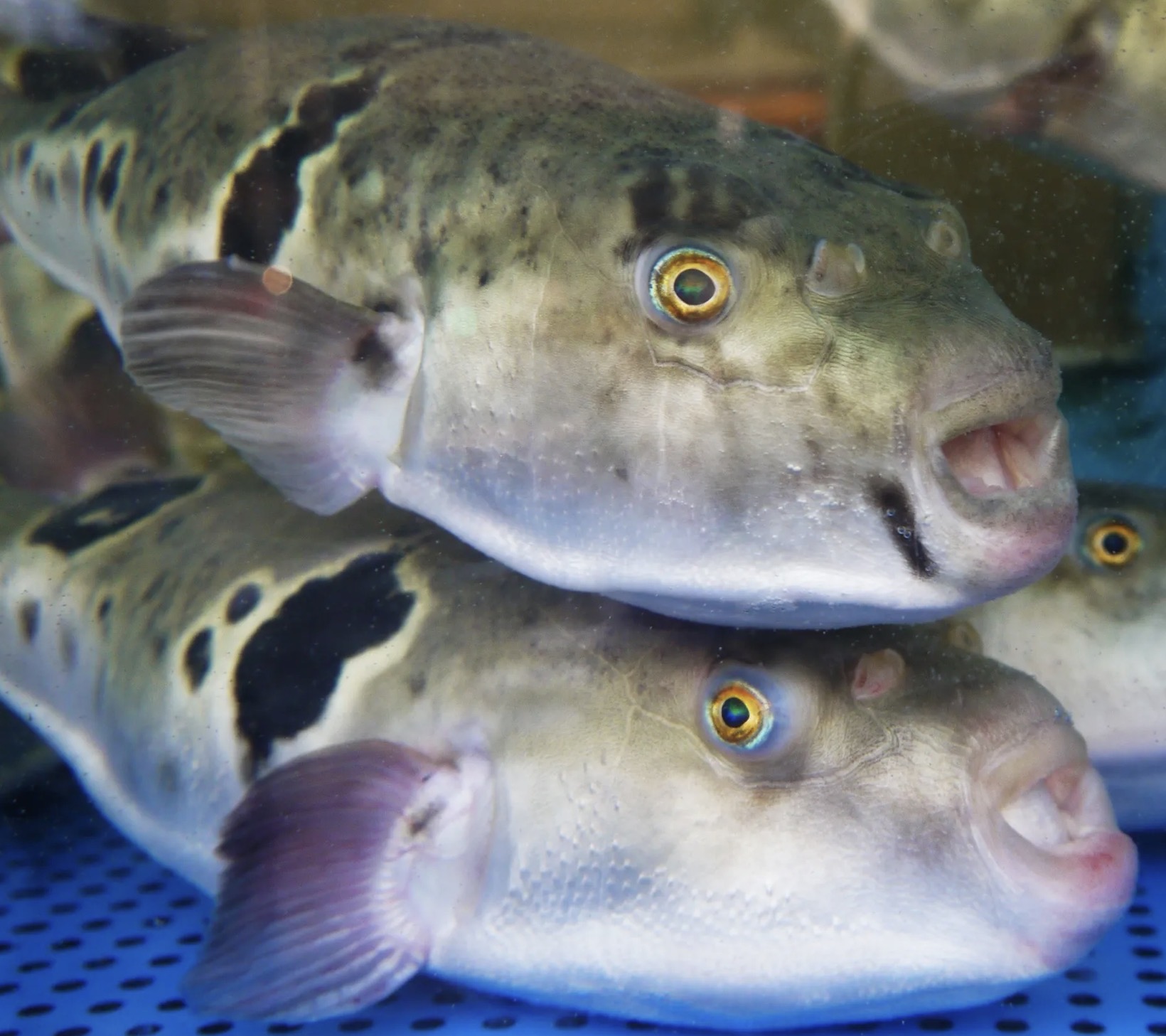
It is the pufferfish, known as fugu in Japanese.
The species most commonly eaten in Japan is Takifugu rubripes.
Despite its danger, fugu is still eaten across Japan and is even considered a luxury ingredient.
Why would anyone risk their life for a meal?
As a Japanese person now living in the UK, this is one of the questions I’m asked most often—by my British friends, and even by my husband.
The answer lies in three things: strict safety systems, refined flavor, and Japan’s deep-rooted food culture.

Why Do Japanese People Still Eat Pufferfish?
Pufferfish is eaten in very limited areas of Korea and China, but it is not widely consumed nationwide.
Japan is unique in that fugu is enjoyed across the country and served at high-end restaurants.
It is often compared to premium fish such as longtooth
grouper and is treated as a seasonal delicacy.
To many Japanese people, fugu represents craftsmanship, tradition, and culinary challenge rather than recklessness.
How Dangerous Is One Pufferfish?
Fugu contains a powerful toxin called tetrodotoxin.
This poison is said to be about 1,000 times more toxic than potassium cyanide, and even a tiny amount can be fatal to humans.
Historically, fugu poisoning was common.
Today, thanks to strict regulations and licensing systems, the number of cases has dropped dramatically.
However, a few deaths still occur each year—almost always involving people who prepared fugu themselves without proper training. When this happens, it becomes national news in Japan.
If You Get Poisoned: A Serious Warning
⚠️ Safety Notice⚠️
There is no antidote for tetrodotoxin.
Treatment focuses on supporting breathing until the toxin is naturally excreted from the body, which can take 8–24 hours.
If fugu poisoning is suspected, immediate emergency medical attention is essential.
Home remedies do not work.
In the past, people believed in folk treatments such as burying the patient in the ground or drinking pickled plum juice. These methods are ineffective and dangerous. Modern medicine is the only option.
Isn’t Fugu Banned? — A Brief History
Japanese people have eaten fugu since the Jomon period (approximately 14,000–300 BCE). In the late 16th century, fugu poisoning caused repeated deaths, so Toyotomi Hideyoshi banned its consumption across the country.
Japan’s first Prime Minister, Ito Hirobumi (1841–1909), famously tasted fugu during a visit to Shimonoseki and requested the local government lift the ban, even though the dish remained prohibited.
According to historical accounts, the local restaurant Shunpanro, unable to serve any fish due to poor catches, made the risky decision to serve fugu in secret—fully aware of the severe punishment it could face.
Ito was deeply impressed by the flavor and later petitioned the Yamaguchi Prefectural Governor. In 1888, the ban was officially lifted in the region.
In many ways, this episode symbolizes Japan’s long struggle between danger and deliciousness.
Remarkably, Shunpanro still exists today and continues to serve fugu.
→https://www.shunpanro.com/en/
The Strict Safety System Behind Modern Fugu
Fugu is considered safe today because only licensed chefs are allowed to prepare it.
To obtain a fugu license, chefs must:
• Complete years of professional training
• Pass a demanding written and practical examination
• Learn precise handling and disposal of toxic organs
The poisonous parts must be stored in locked containers and disposed of as industrial waste.
Most modern poisoning cases occur when amateurs catch and prepare fugu themselves.
Although many videos online show fugu being filleted, never attempt this yourself unless you are a licensed professional.
The Forbidden Ovaries: A Mystery from Ishikawa
In most of Japan, the most toxic part of the fish—the ovaries—is discarded.
However, in Ishikawa Prefecture, there is a traditional food called Fugu no Ko (“fugu’s child”).
• The ovaries are salted and fermented in rice bran for over two years
• Remarkably, the toxin disappears
• There is still no complete scientific explanation for how this process works
The result is an intensely salty, umami-rich delicacy often enjoyed with rice or sake.
Interestingly, in Japanese, fish roe is called ko (子), meaning “child”:
• Fugu no ko = pufferfish roe
• Tarako = cod roe
Even deadly foods can have surprisingly gentle names.
How Fugu Is Enjoyed in Japan
The appeal of fugu lies in its subtle sweetness, firm texture, and high umami content.
Popular Dishes
• Tessa (Puffer fish Sashimi)

In the Kansai region, fugu is nicknamed teppou (“gun”)—if it hits you, you die. Thus, sashimi is called Tessa (Teppou + Sashimi).
Tessa is sliced so thin that you can see the pattern of the plate through it.
• Tecchiri (Hot Pot)

Lightly cooked fugu becomes elastic and gently sweet. Chiri-nabe is a traditional Japanese hot pot dish, and when prepared with fugu, it is called Tecchiri (Teppou + Chiri-nabe).
• Hire-zake
Grilled fugu fins steeped in hot sake, creating a smoky, deeply aromatic drink.
Unlike some other unusual Japanese foods (such as shirako ), fugu has a clean, refined flavor that many people find easy to enjoy—even I liked it as a teenager.
Japan’s Obsession with Food
Why go to such extremes?
Japanese food culture places a strong value on balance, variety, and care. Growing up in Japan, school lunches were carefully planned, nutritionally balanced, and different every day.
In the past, especially when full-time housewives were more common in Japan, there was an expectation that meals should be carefully planned and varied. In some families, serving the same dish two days in a row could lead to complaints from husbands—I remember seeing this myself.
Today, with more dual-income households, fewer people may prepare traditional ichiju-sansai meals every day. Still, many Japanese people continue to care deeply about balanced and thoughtfully prepared food.

Conclusion
Fugu is more than a dangerous fish.
It represents Japanese craftsmanship, risk management, and culinary dedication.
If you ever try fugu, do so only at a restaurant with a licensed chef.
It is one of the few foods in the world where danger and delicacy coexist so closely.
So—would you try the teppou (“gun”), or would you rather stay safe with mentaiko pasta?
Reference
https://www.ige.tohoku.ac.jp/mirai/newmachikado/ms2020/article/ms001825.html